Introduction
A small bedroom can feel tight fast. The bed takes up most of the space. Clothes pile up. The room starts to feel crowded and stressful.
You are not alone. Many modern homes and apartments have smaller bedrooms than older houses. In fact, real estate data shows that many urban bedrooms are 100 to 120 square feet or less. That means every inch matters.
But here is the good news. A small room can still feel calm, open, and comfortable. You just need smarter design choices.
Interior designers use simple tricks to make tiny rooms feel larger. They use light, layout, storage, and furniture to change how the room feels.
In this guide you will learn 16 small bedroom ideas that help create space without knocking down walls.
You will learn:
• how to make a small bedroom look bigger
• smart furniture choices for tiny rooms
• storage tricks that free up floor space
• tiny bedroom design ideas used by designers
Most of these ideas cost little or nothing. And you can start today.
1. Choose a Space Saving Bed Frame

The bed is the biggest item in your room. If it wastes space, the whole room feels cramped.
That is why a space saving bed frame is one of the best small bedroom ideas.
Many modern beds include storage drawers underneath. These drawers can hold clothes, bedding, or shoes. This removes the need for a bulky dresser.
Another good option is a low profile platform bed. Lower beds make the ceiling look higher. The room feels taller and more open.
Some people even choose Murphy beds that fold into the wall. These are common in studio apartments.
Real Simple notes that storage beds are popular in small rooms because they add storage without adding extra furniture.
Quick tip:
Choose a bed frame with open space underneath or built in drawers. Avoid thick frames that sit directly on the floor.
2. Use Vertical Storage to Free Up Floor Space

When floor space is limited, look up.
Vertical storage helps small rooms feel larger because it keeps the floor clear.
Instead of wide furniture, try tall storage.
Examples include:
• floating shelves above the bed
• tall narrow wardrobes
• wall mounted hooks
• over the door organizers
Apartment Therapy designers say high shelves work well because they draw the eye upward and make a room feel taller.
You can also add shelves above your door. Most people never use this space.
Quick tip:
Install shelves closer to the ceiling than the floor. This creates the feeling of higher walls.
3. Add Mirrors to Make the Room Look Bigger

Mirrors are one of the easiest ways to make a small bedroom feel larger.
They reflect both light and space. This creates the illusion that the room continues beyond the wall.
Designers often place mirrors:
• across from a window
• behind a lamp
• near a light source
• on closet doors
Homes and Gardens explains that large mirrors help create depth. This makes small rooms feel more open.
A full length mirror can also replace wall decor.
Quick tip:
Place a large mirror opposite your window. The reflected light instantly brightens the room.
4. Let Natural Light Fill the Room

Dark rooms feel smaller. Bright rooms feel bigger.
That is why natural light matters.
Heavy curtains block light and make windows look smaller. Light window treatments work much better.
Try these instead:
• light cotton curtains
• sheer panels
• Roman shades
• simple blinds
The Spruce notes that keeping windows clear allows more daylight into the room. This makes the room feel brighter and more spacious.
Also avoid placing furniture directly in front of windows.
Quick tip:
Choose light colored curtains that let sunlight pass through.
5. Use Light and Simple Colors

Color changes how large a room feels.
Dark colors absorb light. Light colors reflect it.
That is why designers often recommend neutral colors for small bedrooms.
Popular choices include:
• soft white
• light gray
• warm beige
• pale blue
Ideal Home design experts say neutral bedding and wall colors can make a bedroom feel much more open.
Using similar tones across the room also helps. This reduces visual breaks that make spaces feel smaller.
Quick tip:
Match bedding and wall colors for a calm and unified look.
6. Declutter Your Bedroom

Clutter is the fastest way to make a small room feel smaller.
Too many items break up visual space. The room starts to feel busy and crowded.
Start with simple steps.
Remove items from:
• nightstands
• dressers
• floors
• chairs
Keep only what you actually use.
B and Q home experts say clutter interrupts visual flow. This makes small rooms feel cramped.
Quick tip:
Follow the one surface rule. Leave at least one flat surface completely empty.
7. Use Floating Nightstands

Traditional bedside tables take up valuable floor space.
Floating nightstands solve this problem.
They attach directly to the wall. This leaves the floor open underneath.
When more floor is visible, the room feels larger.
Floating nightstands also work well in narrow bedrooms where space beside the bed is limited.
Real Simple designers often recommend wall mounted bedside shelves in small rooms because they reduce furniture bulk.
Quick tip:
Choose a small wall shelf with one drawer for bedside storage.
8. Hang Curtains Higher Than the Window

Curtain placement changes how tall a room feels.
If the rod sits right above the window, the ceiling looks lower.
Designers use a simple trick instead. They hang curtain rods closer to the ceiling.
This draws the eye upward.
The Spruce notes that higher curtain placement creates the illusion of taller walls.
Long curtains also help.
Quick tip:
Mount curtain rods 6 to 10 inches above the window frame.
9. Choose Furniture That Serves Two Purposes

In a small bedroom every item should work harder.
Multipurpose furniture helps reduce clutter and save space.
Examples include:
• storage ottomans
• desks that double as nightstands
• foldable desks
• benches with hidden storage
IKEA design guides often recommend multi use furniture in small rooms. It reduces the number of pieces you need.
This keeps the room simple and open.
Quick tip:
Pick furniture with hidden storage whenever possible.
10. Use Slim Furniture Instead of Bulky Pieces
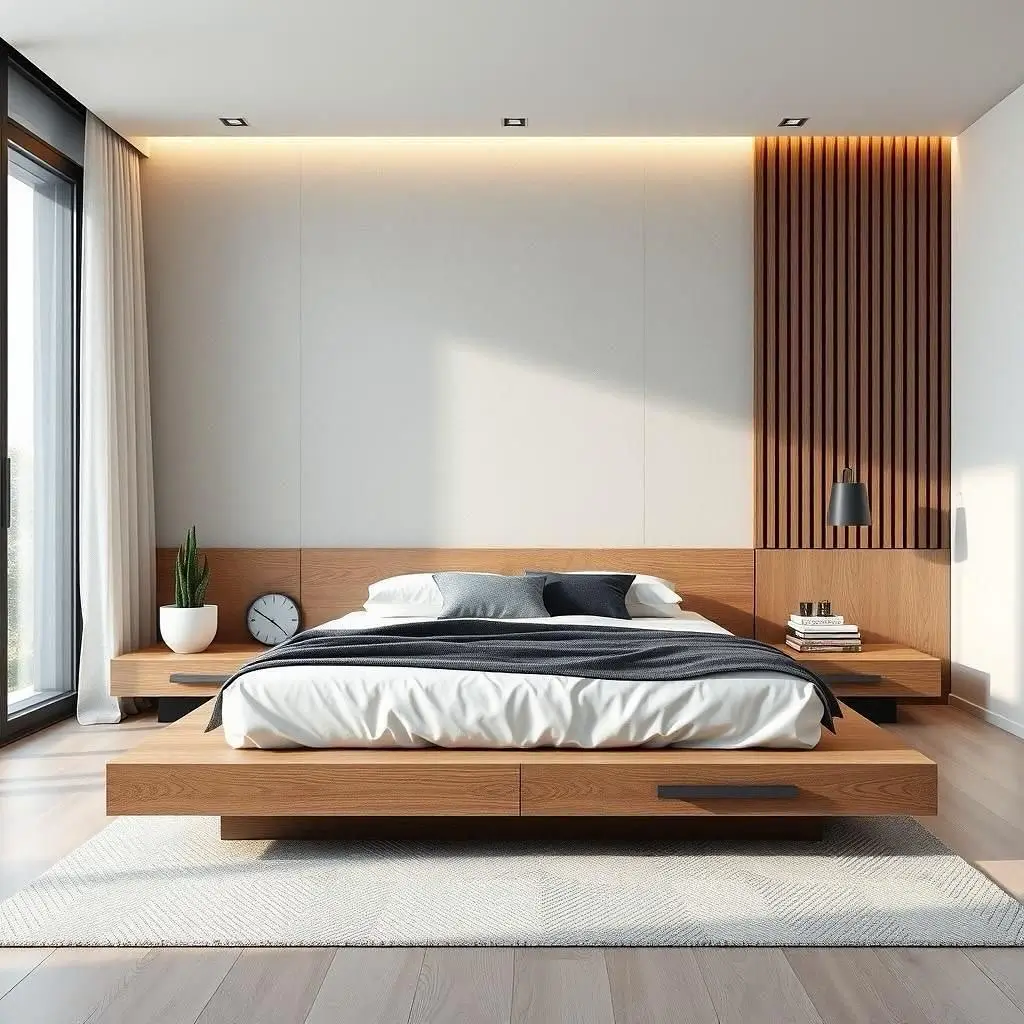
Large furniture overwhelms small rooms.
Slim furniture works much better.
Look for pieces that are:
• narrow
• lightweight
• raised on legs
Furniture with visible legs shows more floor space. That makes the room feel bigger.
Decorilla interior designers say compact furniture helps small bedrooms stay functional without crowding the space.
Quick tip:
Avoid oversized dressers or thick bed frames.
11. Use One Large Piece of Wall Art

Many small pictures can make a wall feel busy.
One large piece often looks better.
Large artwork creates a strong focal point. It also keeps the wall clean and simple.
This trick helps the room feel calmer.
Designers often place a large artwork piece above the bed or dresser.
The Spruce suggests fewer decorations in small rooms to reduce visual clutter.
Quick tip:
Choose one large artwork instead of many small frames.
12. Choose the Right Size Rug

Many people choose rugs that are too small.
Small rugs break up the floor visually. This makes the room feel smaller.
A larger rug works better.
The rug should extend beyond the sides of the bed.
House Beautiful design experts say properly sized rugs help anchor furniture and create visual balance.
Quick tip:
Choose a rug that extends at least 18 inches past the bed.
13. Use Awkward Corners for Storage
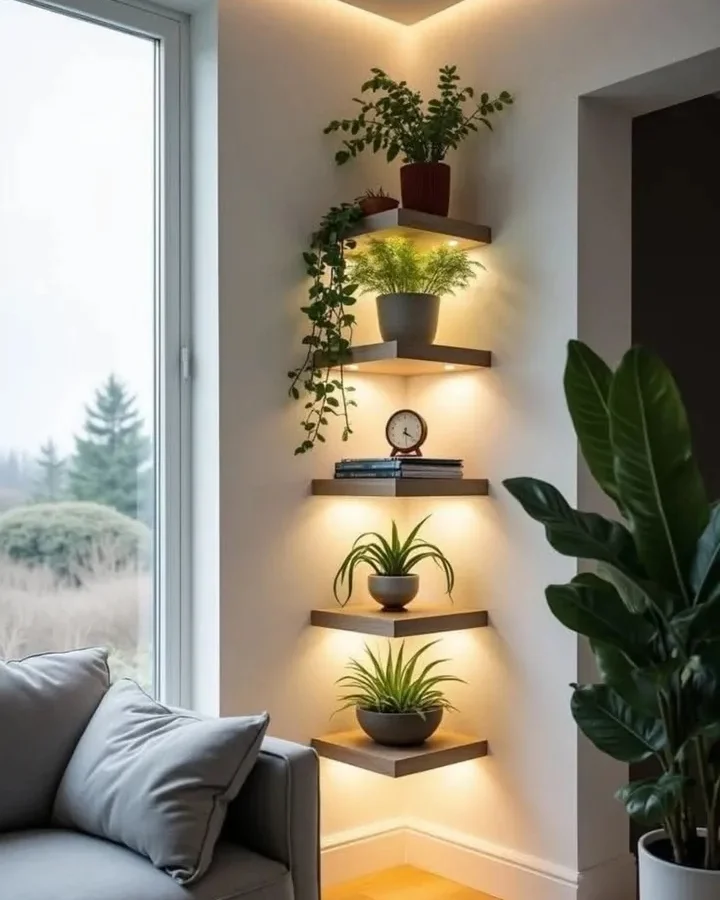
Every small room has unused spaces.
Corners and alcoves often sit empty. But they can become useful storage areas.
Examples include:
• corner shelves
• small corner desks
• built in wardrobes
• narrow bookcases
Homes and Gardens designers say alcoves are perfect for built in storage.
Even a slim shelf can add space for books or decor.
Quick tip:
Use corner shelving units to maximize awkward spaces.
14. Add Layers of Lighting

Good lighting makes rooms feel larger.
One overhead light is often not enough.
Instead use layers of light.
For example:
• bedside lamps
• wall sconces
• soft ambient lighting
• reading lights
Multiple light sources remove dark corners. This helps the room feel open.
Real Simple design guides say layered lighting improves depth and brightness in small spaces.
Quick tip:
Place two or three light sources around the room.
15. Bring in Plants or Natural Materials

Plants add life to a room.
They also soften the space and make it feel more welcoming.
Small bedrooms work best with compact plants such as:
• pothos
• snake plants
• small succulents
Decorilla designers say natural textures like wood and plants add warmth without overwhelming the space.
You do not need many plants.
One or two is enough.
Quick tip:
Use small plants on shelves or window sills.
16. Create Small Zones in the Room

Even tiny bedrooms can have different zones.
A zone gives each area a purpose.
Examples include:
• a reading corner
• a desk area
• a dressing space
Homes and Gardens design experts say dividing a room into zones helps it feel more organized.
This works even in compact bedrooms.
A simple chair and lamp can create a cozy reading spot.
Quick tip:
Use rugs or lighting to separate zones.
Conclusion
A small bedroom can still feel calm and comfortable.
You just need smart design choices.
The best small bedroom ideas focus on three things. Saving space, increasing light, and reducing clutter.
Start with simple changes.
Use vertical storage. Add mirrors. Choose slim furniture. Let more light into the room.
You do not need a full renovation to make your bedroom feel larger.
Try two or three of these ideas first. You will notice the difference quickly.
And once you start improving the layout, you may find your small bedroom becomes your favorite room in the house.