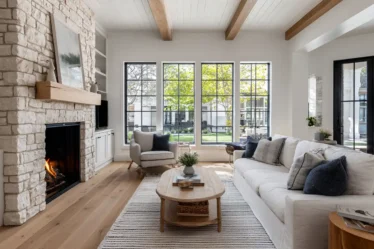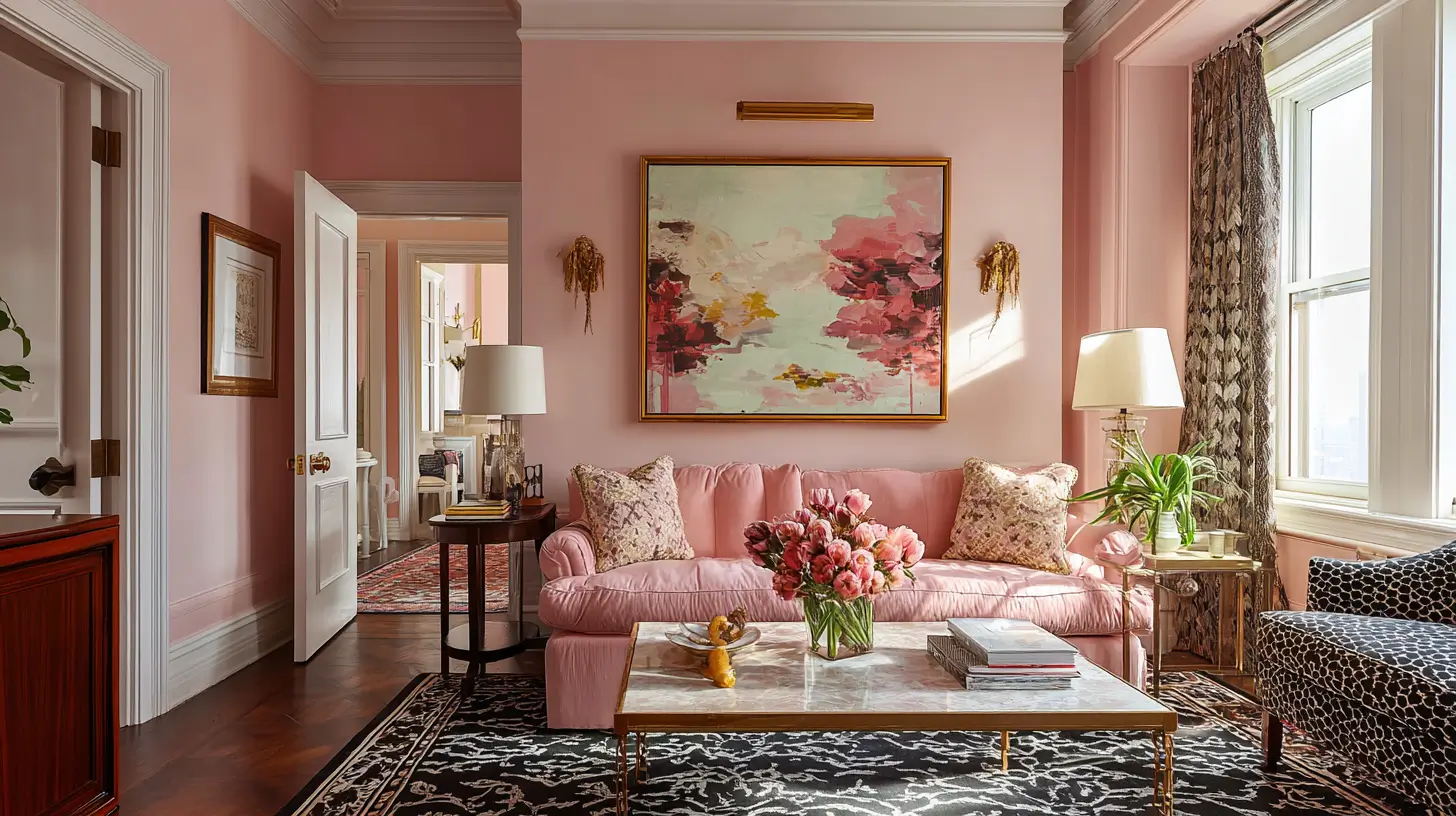
Introduction
“Does your living room feel cramped no matter how often you clean it?”
You vacuum. You fold blankets. You clear the table. But the room still feels tight. That’s frustrating. Many small living rooms feel cluttered, dark, and overcrowded — even when they aren’t. The problem isn’t always mess. It’s layout and decor.
If you’re searching for small living room decor that maximize space, you don’t need a remodel. You need smarter choices. In this guide, you’ll learn 17 practical small living room ideas that make a real difference. You’ll see how to decorate a small living room using light, layout, storage, and furniture that works harder for you.
You’ll discover simple tricks designers use to make rooms look twice as big. You’ll also find budget-friendly updates you can try this weekend. Small space. Big impact. Let’s fix what isn’t working.
1. Use Multi-Functional Furniture to Cut Clutter Fast

Big furniture wastes space. Smart furniture gives it back.
Start with pieces that do more than one job. A storage ottoman can hold blankets, toys, or books. It also works as a footrest or extra seat. That’s space-saving living room decor that makes sense.
Try a lift-top coffee table. The top rises so you can work or eat. Inside, you can hide remotes and chargers. Some models even have side drawers. IKEA storage ottomans are popular because they look simple but hide a lot.
Sofa beds are helpful in small apartments. During the day, you have seating. At night, you have a guest bed. Nesting tables are another smart pick. Pull them out when needed. Slide them back when you don’t.
Studies show multi-functional furniture can reduce visible clutter by up to 30%. Less clutter means your room feels bigger.
If you’re learning how to decorate a small living room, start here. Replace one bulky piece with one that works harder.
2. Choose Light Colors to Make Walls Feel Farther Apart

Dark walls can feel heavy. Light colors open things up.
White, soft beige, and light gray reflect more light. Some reports say light paint can reflect up to 80% more light than darker shades. More light makes walls seem farther apart.
Try a simple color palette. Use similar tones on walls, trim, and even furniture. This removes harsh breaks in the room. When everything flows, the space feels calm.
Here’s a small trick. Paint the ceiling the same color as the walls. This blurs the line where the wall ends. The room feels taller.
Many small living room ideas focus on color first. And for good reason. It’s affordable and fast.
If you want small living room decor that maximize space, start with paint before buying new furniture.
3. Add Mirrors to Make the Room Look Twice as Big

Mirrors are simple. But they work.
Place a large mirror across from a window. It reflects natural light back into the room. The space instantly feels brighter.
Oversized mirrors help most. A tall floor mirror leaned against the wall can stretch the room visually. Designers often use this trick in small apartments.
You can also try mirrored furniture. A mirrored console or side table reflects light without taking visual weight.
Apartment Therapy often shows before-and-after rooms where one large mirror changes everything. The square footage stays the same. The feeling does not.
If your room feels dark or narrow, add one big mirror first. It’s one of the fastest fixes.
4. Go Vertical With Storage to Free Up Floor Space

Your walls are empty space. Use them.
Install wall-mounted shelves instead of bulky bookcases. Store books, plants, and decor higher up. The floor stays clear. The room feels larger.
Tall, slim bookcases draw the eye upward. This makes ceilings feel higher. In many NYC apartments, designers use the full 8-foot wall height. This is sometimes called the “8-foot vertical storage rule.” If you have the height, use it.
Floating cabinets are another smart option. They give you storage without heavy bases touching the floor. Pegboards can hold baskets, small shelves, or even lamps.
This is true space-saving living room decor. It uses what you already have — vertical space.
Look around your room. If the walls are empty but the floor is crowded, you know what to fix.
5. Use Furniture With Exposed Legs for Visual Airflow
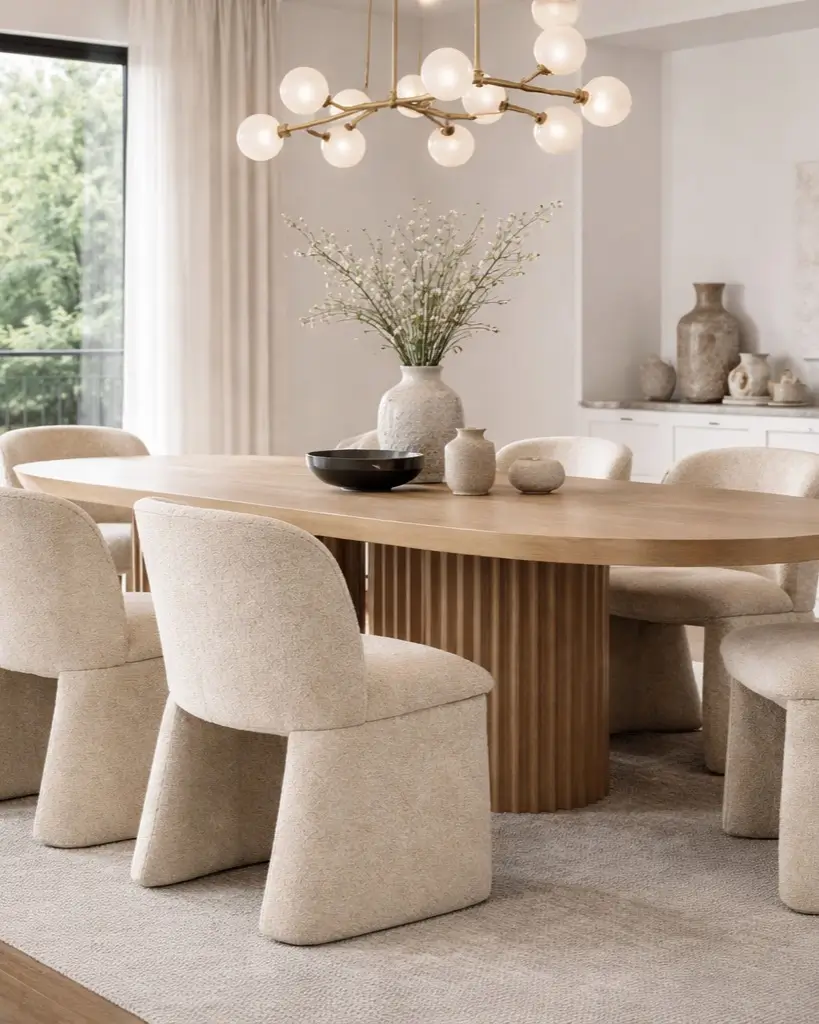
Heavy furniture blocks sight lines. That makes rooms feel tight.
Choose sofas and chairs with exposed legs. Mid-century styles work well. Raised cabinets help too. When you can see more floor, the room feels open.
Design experts say exposed legs can create 20–30% more visible floor area. That visible space tricks your eyes. And that’s what matters.
Swap one bulky piece for something lifted. You’ll notice the difference right away.
6. Scale Furniture Properly So the Room Can Breathe

Oversized sectionals are common mistakes.
A slim-profile sofa works better in small rooms. Look for narrow arms and low backs. Armless chairs take up less visual space.
Measure before you buy. Leave at least 18 inches between large pieces so you can move easily.
The goal is balance. Big furniture in a small room feels crowded. Smaller pieces create flow.
7. Add Hidden Storage Decor That Looks Good

Storage doesn’t have to look boring.
Use decorative baskets to hide blankets or toys. Place them under a console or beside a sofa. Storage benches can hold shoes or board games.
Hollow side tables with lids give you secret space. They look stylish but work hard.
This keeps surfaces clean. Clean surfaces make rooms feel bigger.
8. Try a Floating Layout Instead of Pushing Everything to the Wall

Most people push furniture against walls. It seems smart. But it can make the center feel empty and awkward.
Pull your sofa a few inches away from the wall. Place a slim console behind it. This creates depth.
Use a rug to define the seating area. Make sure front legs of furniture sit on the rug. This anchors the space.
Floating layouts create zones. Zones make rooms feel organized. Organized rooms feel bigger.
9. Let in More Natural Light Every Day

Light changes everything.
Use sheer curtains instead of heavy drapes. They let light in while keeping privacy.
Mount curtain rods closer to the ceiling. This makes windows look taller.
Avoid dark, thick fabrics. They block light and add visual weight.
More light equals more space. It’s that simple.
10. Choose Large Rugs to Make the Room Feel Unified

Small rugs break up the floor. Large rugs connect it.
Follow the 8×10 rule if possible. In many small living rooms, an 8×10 rug works better than a tiny one.
Place at least the front legs of furniture on the rug. This ties everything together.
When the floor looks continuous, the room feels larger.
11. Declutter With a Clear System

Clutter shrinks rooms fast.
Try the 1-in-1-out rule. When you bring something new in, remove something old. This keeps buildup under control.
Hide cables with clips or cord boxes. Tangled wires make spaces look messy.
Reduce decorative items by 40%. Keep your favorite pieces. Remove the rest.
Clear surfaces create calm. Calm spaces feel open.
12. Install Wall-Mounted Lighting to Free Floor Space

Floor lamps take up room.
Switch to wall sconces instead. Many plug-in options work well for renters. No hard wiring needed.
Swing-arm lights are great near sofas. You can adjust them for reading.
Lighting on the wall keeps the floor open. Open floors feel bigger.
13. Pick Transparent Furniture to Reduce Visual Weight

Some furniture feels invisible.
Acrylic chairs and glass coffee tables don’t block sight lines. You can see through them.
That keeps the room feeling open. Even if the piece is large, it won’t feel heavy.
This works well in tight seating areas.
14. Create Built-In Looks Without Renovating

Built-ins look clean and seamless. You don’t need custom carpentry.
Use IKEA bookcases and line them up wall to wall. Add trim for a finished look.
Wall-to-wall shelves reduce gaps and wasted corners. Everything looks intentional.
When storage blends in, the room feels bigger.
15. Use Smart Room Dividers in Studio Spaces

Open layouts can feel messy.
Use open shelving as a divider. It separates spaces but still lets light pass through.
Curtains are flexible. Pull them closed when needed. Open them during the day.
Folding screens are easy to move. They create privacy without building walls.
Defined zones make small spaces feel organized.
16. Add Vertical Stripes to Make Ceilings Look Taller

Your eyes follow lines.
Vertical striped wallpaper draws attention upward. So does vertical paneling.
Even tall curtains create this effect.
When your eyes move up, the room feels taller.
17. Keep Decor Minimal but Meaningful

Too many items shrink a space.
Follow the rule of three. Group decor in sets of three instead of spreading many small items around.
Choose one statement piece. Maybe bold art or a unique lamp.
Keep surfaces clear. Clear space equals visual space.
Intentional decor feels calm. Calm rooms feel bigger.
Conclusion
Small spaces feel stressful when they don’t work well. But you don’t need more square footage. You need smarter choices.
Use multi-functional furniture. Go vertical. Let in light. Scale pieces correctly. Declutter with purpose. These small changes create real breathing room.
Start with two or three updates this week. Swap heavy curtains. Add a mirror. Replace one bulky table.
The right small living room decor that maximize space can change how your entire home feels.
Start transforming your small living room today.