Introduction
Does your bedroom feel more like a storage closet than a relaxing retreat?
You’re not alone. Very small bedrooms often feel tight, dark, and cluttered. You may think you need more square footage. But most of the time, you need better design choices.
The good news is this. You don’t have to knock down walls to fix it. You just need smarter layout and storage.
In this guide, you’ll learn 15 smart very small bedroom ideas that create real visual space. You’ll see simple small bedroom design ideas that designers use in tiny apartments. You’ll also learn how to make a small bedroom look bigger using light, mirrors, and layout tricks. Plus, you’ll find space saving bedroom ideas that don’t look bulky or cheap.
These are practical changes. You can start this weekend. And yes, even a 90-square-foot room can feel calm and open.
1. Use Light Colors to Open Up the Room

Dark walls can make your room feel smaller than it really is.
Light colors reflect more light. Soft white, warm beige, and pale gray can reflect up to 80% more light than darker shades. That instantly makes the room feel brighter.
And brightness equals space.
If you want to learn how to make a small bedroom look bigger, start with paint. Choose one main color and stick to it. A monochromatic palette reduces visual breaks. Fewer breaks make the room feel smooth and open.
Here’s a designer trick. Paint the trim the same color as the walls. This removes harsh lines and makes ceilings feel taller.
Many smart small bedroom design ideas begin with color. It’s affordable. It’s simple. And it works fast.
If you change one thing first, change the wall color.
2. Choose a Low-Profile Bed Frame

Alex Rekhlitskyi | CG art & Inte
Your bed is the largest item in the room.
If it’s tall and bulky, it eats up visual space.
Low-profile platform beds sit closer to the ground. This makes ceilings appear higher. More space above the bed means more breathing room for your eyes.
Avoid thick footboards and heavy headboards. They block sightlines. They also make the room feel crowded.
Compare this. A tall traditional bed with a thick base looks heavy. A low modern platform bed looks clean and light.
This is one of the easiest very small bedroom ideas to apply. It also works well with other space saving bedroom ideas.
Lower the bed. Raise the visual space. It’s that simple.
3. Use Vertical Space (Floor-to-Ceiling Storage)

When floor space is tight, look up.
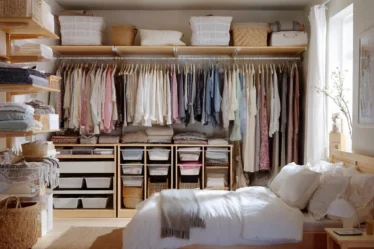
Tall bookshelves draw the eye upward. That makes the room feel taller. Wall-mounted cabinets do the same thing.
Add vertical wall hooks for bags or hats. Install shelves above the door. Use every inch of height.
Your eyes naturally follow vertical lines. That trick makes ceilings seem higher than they are.
IKEA has many vertical storage hacks for tiny rooms. Slim tall units work better than wide low ones.
Stop spreading storage across the floor. Stack it upward instead.
4. Install Wall-Mounted Nightstands

Bulky nightstands take up floor space.
Wall-mounted nightstands free the floor completely. More visible floor makes the room feel open.
They also make cleaning easier. You can vacuum or sweep without moving furniture.
Choose a slim floating shelf with one drawer. That’s usually enough.
This is one of the smartest space saving bedroom ideas because it removes visual weight.
Less floor clutter equals more visual space.
5. Add Mirrors to Reflect Light

Mirrors are powerful in small rooms.
Place a large mirror opposite a window. It reflects natural light back into the room. That makes the space feel brighter and deeper.
Mirrored closet doors also help. They expand visual depth.
Studies show mirrors can visually double depth perception. Your brain reads the reflection as extra space.
If you’re serious about how to make a small bedroom look bigger, use at least one large mirror.
Avoid tiny decorative mirrors. Go big. Keep it simple.
6. Keep Furniture Slim and Raised

Heavy furniture blocks light and airflow.
Choose pieces with thin legs. Raised furniture exposes more floor. More visible floor makes the room feel bigger.
Avoid blocky dressers and thick frames. They sit heavy in the space.
Slim desks and narrow dressers work better in tight rooms.
Look for furniture you can see under. That space underneath matters.
Light and air should move freely. Your room will feel less cramped right away.
7. Declutter Surfaces (The 3-Item Rule)

Clutter makes small rooms feel stressful.
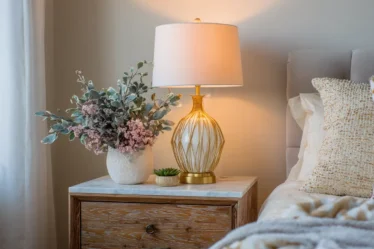
Try the 3-item rule. Only keep three visible items on your nightstand. Maybe a lamp, a book, and a small plant.
Clear your dresser top. Store extra items in baskets or drawers.
Compare this. A dresser covered in products feels chaotic. A clear surface feels calm.
Visual noise shrinks space. Clean surfaces expand it.
Start here if you feel overwhelmed. Decluttering costs nothing.
8. Use Multi-Functional Furniture

Every piece should work harder in a small room.
Choose a storage bed with drawers underneath. Use an ottoman that opens for blankets. Install a fold-down desk if you work from home.
These space saving bedroom ideas reduce the need for extra furniture.
Fewer pieces mean more open space.
Before buying anything new, ask yourself one question. Can this item serve two purposes?
If not, skip it.
9. Hang Curtains Higher Than the Window

Short curtains cut off visual height.
Mount your curtain rod close to the ceiling. This creates the illusion of taller walls.
Use full-length panels that touch the floor. Even if your window is small.
Height tricks your eyes. And your eyes believe it.
This is a quick fix. It takes less than an hour.
Raise the rod. Instantly lift the room.
10. Keep Flooring Consistent

Too many floor changes break up space.
If possible, use the same flooring throughout the room. Continuous flooring makes the room feel wider.
Avoid small patterned rugs. They create visual clutter.
Use one large rug instead. It anchors the space and keeps it unified.
The goal is flow. Flow makes rooms feel larger.
11. Use Clear or Acrylic Furniture

Solid furniture blocks sightlines.
Clear acrylic desks or chairs almost disappear visually. Your eye moves right through them.
That openness makes the room feel less crowded.
This works especially well for desks and side chairs.
It’s subtle. But it helps.
12. Choose Built-In Storage Over Extra Dressers

Extra dressers take up space fast.
Use under-bed drawers instead. Add closet organizers to maximize storage inside existing areas.
Wall niches are also helpful if available.
Built-in storage blends into the room. Standalone furniture adds bulk.
Keep storage hidden when possible.
13. Use Minimal Wall Art (One Large Piece)
Too many small frames feel busy.
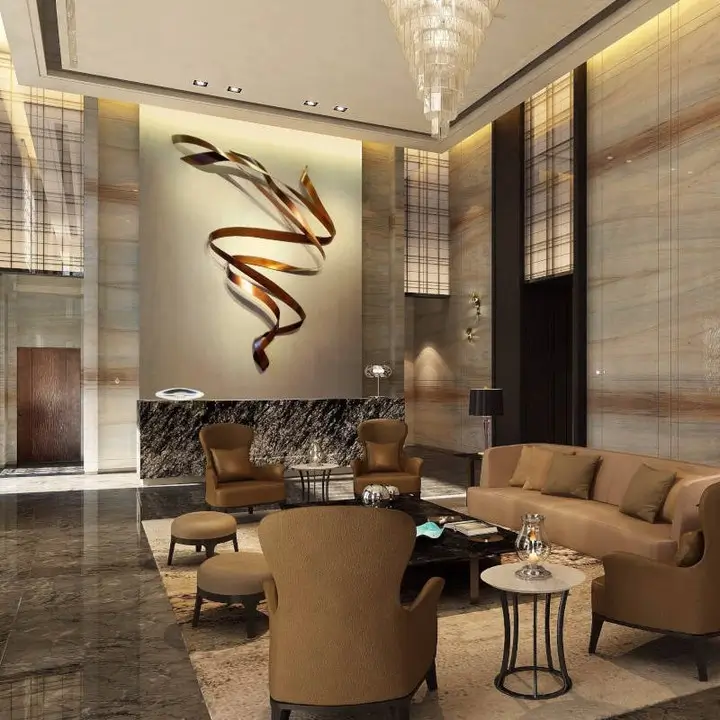
One large piece of art feels clean and intentional.
Large art creates a focal point. Small art creates clutter.
Choose one statement piece above the bed. Keep the rest of the walls simple.
Your eyes need rest in a small space.
14. Let Natural Light In

Natural light makes rooms feel bigger.
Use sheer curtains during the day. Avoid heavy blackout curtains unless sleeping.
Keep windows clear. Don’t block them with furniture.
Light expands space. Darkness shrinks it.
Let the sun help you.
15. Create Zones with Lighting Instead of Furniture
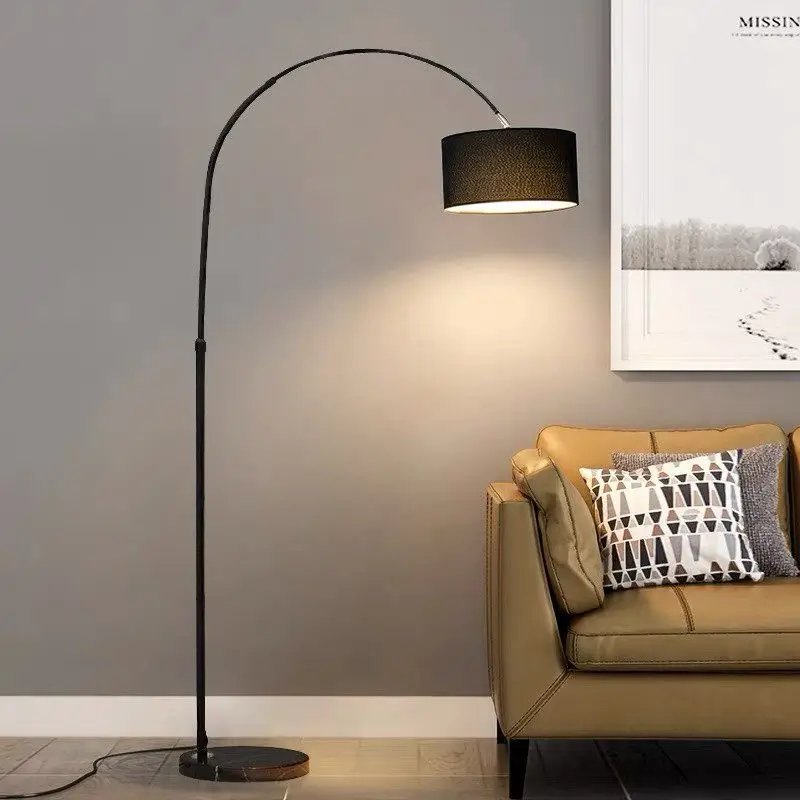
You don’t need extra tables to create function.
Use bedside sconces instead of lamps. Add a slim floor lamp for a reading corner.
Lighting can define zones without adding bulk.
Furniture takes up space. Light does not.
This keeps the room open and flexible.
Conclusion
Very small bedrooms feel bigger when you use light colors, reduce clutter, lift furniture, and use mirrors and vertical storage.
You don’t need more square footage. You need smarter choices.
Pick two or three ideas from this list and try them this weekend. Start with decluttering. Then adjust lighting or paint.
Small changes add up fast.
These very small bedroom ideas are simple. They’re practical. And they work.
Save this guide or share it with someone who needs it. Your tiny bedroom can feel bigger than you think.