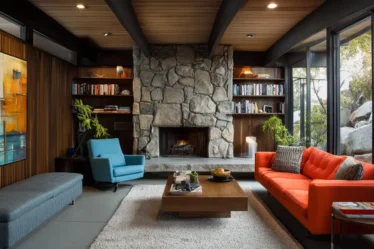
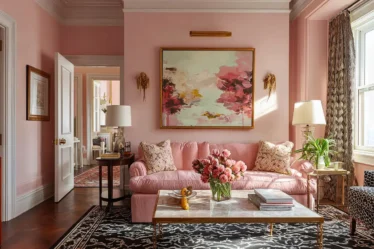
There’s something calming about a living room that feels connected to nature. You walk in and instantly relax. The air feels warmer. The space feels real.
But most living rooms don’t feel that way. They feel generic. Cold walls. Plastic furniture. Nothing that says “this is a home.” And that’s frustrating when you want warmth but don’t know where to start.
Good news: you don’t need a full renovation. You don’t need a designer. These 16 rustic living room ideas are practical, budget-friendly, and easy to do one at a time. Each one helps bring the outdoors inside and gives your space real character.
Let’s get into it.
1. Put Reclaimed Wood on One Wall and Watch the Room Change
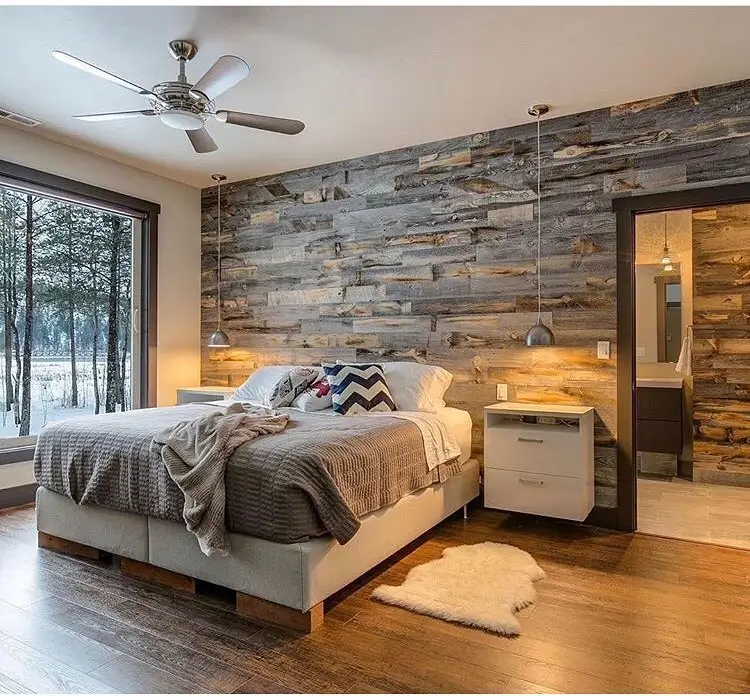
A reclaimed wood wall does something paint can’t. It brings texture, history, and warmth into a room all at once.
Reclaimed wood is old wood that gets a second life. It comes from barns, factories, old homes, and shipping pallets. The worn look is the point. Every grain and mark adds character.
You don’t have to cover every wall. One accent wall behind your sofa or TV is enough. That’s called a focal wall, and it gives the eye somewhere to rest.
Where to find reclaimed wood affordably:
- Local salvage yards and architectural reclaim shops
- Facebook Marketplace (search “barn wood” or “reclaimed planks”)
- Etsy sellers who ship cut-to-size pieces
Once you have it, seal the wood with a clear polyurethane coat to protect it from dust and moisture. It takes one afternoon and a basic brush.
For color pairing, reclaimed wood looks great next to deep greens, warm whites, and rust tones.
Cost range: $150 to $600 for a DIY accent wall, depending on wall size and wood source.
According to Houzz’s 2024 U.S. Home Study, natural wood elements rank in the top three most requested living room features in renovation projects. So you’re not alone in wanting this look.
Quick Tip: Start with a small section rather than the full wall. See how it feels before committing.
2. Get a Live Edge Coffee Table for an Instant Nature Feel

Live edge furniture keeps the natural, raw edge of the wood slab. No clean cuts. No perfect lines. Just the shape the tree actually grew into.
It sounds rough, but it looks stunning. A live edge coffee table becomes the centerpiece of a room without trying too hard.
The best live edge pieces for a living room are coffee tables, floating shelves, and side tables. These are the pieces your eye lands on most.
Where to buy in 2026:
- Local lumber yards (call ahead, many sell slabs direct)
- Etsy custom woodworkers (search “live edge coffee table slab”)
- Wayfair carries affordable pre-made options
One common worry: will it look unfinished? Not if you pair it right. Set a live edge table on clean metal legs. Add a simple linen runner or a small plant on top. The contrast between raw wood and clean lines actually makes both look better.
Live edge furniture searches on Pinterest grew 34% year over year through late 2024. That momentum has carried straight into 2026.
Quick Tip: You don’t need a big slab. A small live edge side table costs $80 to $200 and makes a real statement.
3. Layer Three Types of Natural Fabric to Create Warmth

One rug. One throw. One woven pillow. That’s all it takes to make a living room feel cozy.
The trick is using three different textures at once. One rough surface, one soft surface, and one woven surface. When you mix them, the room feels layered instead of flat.
Here’s what works well together:
- A jute rug (rough, natural, grounding)
- A chunky knit or wool throw blanket (soft, warm)
- Linen cushion covers (light, breathable, woven)
Stick to earthy colors: oat, sage, terracotta, sand, and warm cream. These tones look natural together without trying to match exactly.
Where to shop without overspending:
- IKEA has solid jute rugs and linen covers at low prices
- H&M Home carries good quality throws on sale often
- Thrift stores frequently stock wool blankets and woven baskets
A 2024 report from the American Home Furnishings Alliance showed that natural fiber home textiles, including jute, seagrass, and wool, saw a 22% jump in sales. People want this look and they’re buying it.
Quick Tip: The linen pillow cover is the easiest swap. Buy two for under $20 and try the layered look tonight.
4. Add Stone or Brick to a Wall or Fireplace Surround
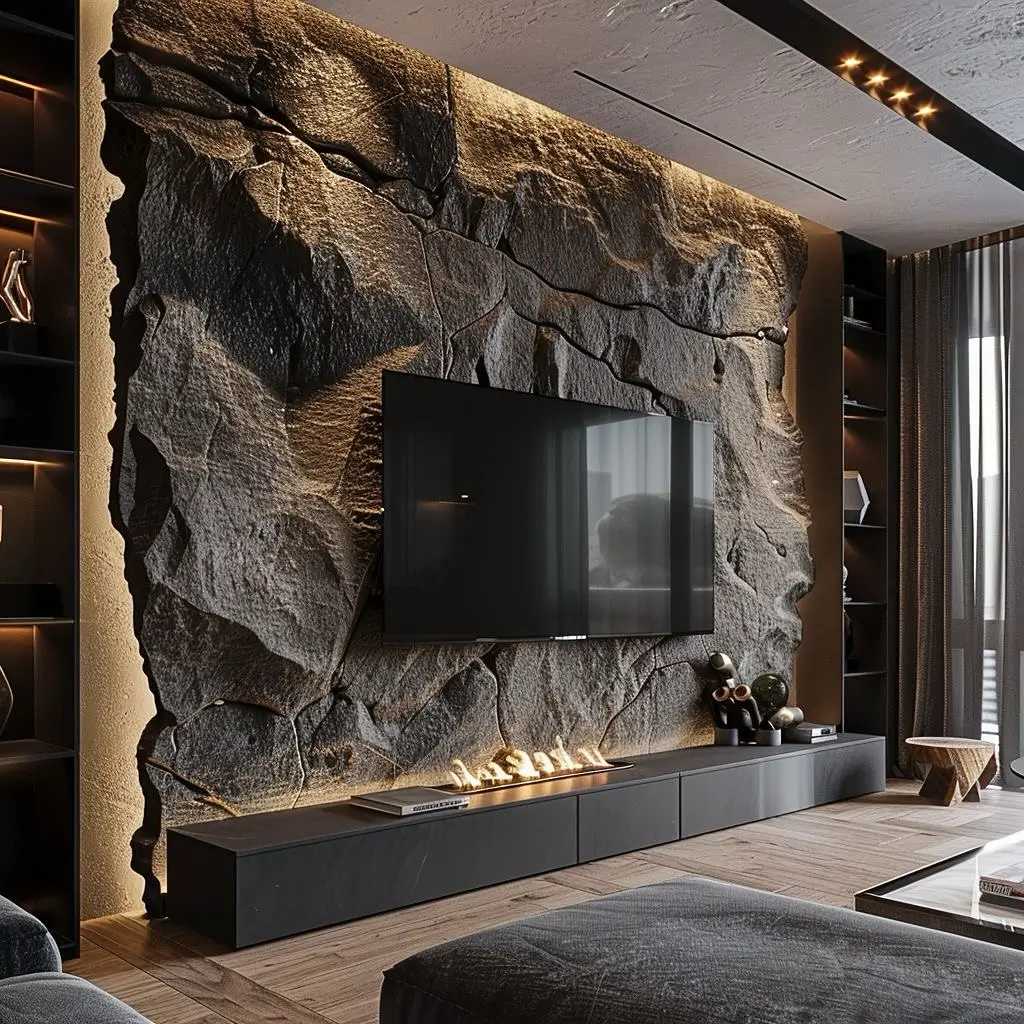
Stone and brick do what no paint color can. They add physical weight and age to a room. They make a space feel like it has been there forever.
If you have a fireplace, you already have a head start. Exposing or adding brick around the surround instantly anchors the whole room.
No fireplace? No problem. Stone veneer panels attach directly to drywall. They’re lighter than real stone and a fraction of the cost. Peel and stick versions exist for renters too.
Cost breakdown:
- Real stone: $15 to $40 per square foot installed
- Stone veneer panels: $5 to $12 per square foot DIY
- Peel and stick stone sheets: $2 to $6 per square foot
When styling the mantel, keep it simple. A few candles, a piece of driftwood, and one small plant. That’s it. Don’t crowd it.
Grout color matters more than people think. Gray grout keeps the look modern. Tan or white grout feels more rustic and aged.
Quick Tip: Peel and stick stone panels are the only renter-safe option here. They’re removable and leave no damage.
5. Replace Your Synthetic Rug With a Natural Fiber One

Synthetic rugs are fine. But they don’t do anything for a rustic room. They sit there. Natural fiber rugs work with your decor instead of just sitting under it.
Here’s a quick guide to the three main options:
Jute: Soft enough for bare feet, easy to vacuum, best for low-traffic areas. Most affordable option.
Sisal: Tougher and more durable than jute. Slightly coarser underfoot. Great for high-traffic rooms.
Seagrass: Naturally water-resistant. Easy to clean. Has a smooth, almost woven-mat feel.
You can also layer a natural fiber rug on top of a thinner synthetic base. This adds cushion without giving up the natural look.
Sizing tip: for a standard living room sofa setup, go with an 8×10 or 9×12 rug. The goal is to fit all front furniture legs on it.
Where to buy:
- Pottery Barn (quality but pricier)
- Amazon basics natural fiber section (good starting point)
- Ruggable’s natural fiber washable line (good for pet owners)
Quick Tip: Natural fiber rugs don’t love moisture. Keep them away from areas where spills happen often.
6. Use Hammered or Wrought Iron Metal as Small Accents

Metal sounds like the opposite of rustic. But the right kind of metal fits perfectly. The key is avoiding shiny, polished finishes and choosing raw, textured ones instead.
The metals that work in a rustic living room:
- Wrought iron (lamp bases, curtain rods, shelf brackets)
- Hammered copper (candle holders, trays, vases)
- Blackened or matte steel (bookshelf frames, side table legs)
These metals have texture. They catch light without looking flashy. And they pair beautifully with wood and natural fabrics.
The difference between rustic metal and industrial metal comes down to pairing. Industrial rooms use metal with concrete and glass. Rustic rooms use metal with wood, linen, and stone. Same metal, completely different feel.
You don’t need to buy new. A can of matte black spray paint transforms a basic lamp or curtain rod in 20 minutes. Scuff the surface first, apply two thin coats, and let it dry overnight.
Quick Tip: Replace your shiny brass curtain rod with a matte black one. It costs under $20 and changes the feel of the whole window.
7. Add Indoor Plants and Dried Stems for Living Color

Nothing brings the outdoors inside faster than actual plants. Even one or two plants change how a room feels. They add life, movement, and oxygen.
The best low-maintenance options for living rooms in 2026:
- Pothos: grows in low light, nearly impossible to kill
- Snake plant: survives infrequent watering, looks sculptural
- ZZ plant: thrives in low light and dry conditions
- Fiddle leaf fig: needs more care but makes a big visual impact
If you travel often or forget to water, dried botanicals are a great alternative. Pampas grass, dried eucalyptus, cotton stems, and preserved palm leaves last for months with zero care. They’re not fake plants. They’re real plants that have been preserved.
Planter choice matters too. Skip plastic pots. Use terracotta, concrete, woven baskets, or ceramic. The container is part of the decor.
A 2024 National Gardening Association survey found that 68% of U.S. households do indoor gardening, with the living room as the most popular room.
Quick Tip: Cluster three plants of different heights in one corner instead of spreading them around. One grouped display looks more intentional than five scattered pots.
8. Install Faux Wood Ceiling Beams for Dramatic Warmth

Exposed ceiling beams change a room completely. They draw the eye up, add architectural detail, and make the space feel like a cozy cabin or old farmhouse.
Real timber beams are heavy and expensive. But faux beams made from polyurethane foam look almost identical and weigh a fraction of real wood. By 2026, the realism of faux beam products has improved significantly. You really have to look closely to tell the difference.
DIY or hire out?
- Faux beams: a confident DIYer can install 3 beams in a weekend with basic tools
- Real timber beams: usually need a contractor and structural assessment
Stain options range from light honey tones to dark walnut. For a rustic feel, go darker. For a Scandinavian or farmhouse feel, stay light.
Beams also change how a room feels visually. In rooms with high ceilings, beams bring the ceiling down to a cozier level. In rooms with low ceilings, use them sparingly and only in lighter stains.
Quick Tip: Measure and mark your beam positions with painter’s tape first. Live with the layout for a day before drilling anything.
9. Paint Your Walls With Earthy, Nature-Inspired Colors

Your wall color sets the entire mood. And in 2026, the colors that feel most current are the ones that feel most natural.
The palette to work with this year:
- Warm terracotta and clay
- Deep forest and sage green
- Dusty mauve and warm mushroom
- Rich brown and oat white
These tones feel warm without being dark. They look good in morning light and even better in the evening with lamps on.
The 60-30-10 color rule makes this easy. Use your main earthy tone on 60% of the room (walls). A secondary color on 30% (sofa, rug). An accent color on 10% (pillows, throws, decor).
Paint picks to look at:
- Sherwin-Williams “Persistence” (warm brown-clay, part of their 2026 color direction)
- Benjamin Moore “Cinnamon Slate” (their 2025 Color of the Year, still trending into 2026)
- Any Benjamin Moore “Nature’s Hues” collection color works well here
Lighting changes everything. Test a paint sample on three walls and look at it in morning light, afternoon light, and lamp light before committing.
Quick Tip: Use the free Sherwin-Williams or Benjamin Moore color visualizer tool online. Upload a photo of your room and try colors before buying a drop.
10. Create a Nature Shelf With Found Objects You Love

You don’t have to buy decor. Some of the best rustic decor is free. Driftwood from a beach walk. River stones from a camping trip. Pinecones from your backyard. A bird feather in a small glass bottle.
A nature shelf is exactly what it sounds like. One shelf or surface dedicated to objects you’ve collected from outdoors. The rule is: only put things there that mean something or look beautiful. No clutter.
A simple vignette that works:
- Start with one tall object (a piece of driftwood or tall dried stem)
- Add one medium object beside it (a smooth rock or small potted succulent)
- Place one small object in front (a pinecone, shell, or small candle)
That’s it. Three pieces, three heights. It looks curated without being fussy.
Swap objects with the seasons. Pinecones and dried oranges in winter. Fresh cuttings and pebbles in summer. This keeps the shelf feeling current without spending money.
Quick Tip: Frame a single large dried leaf and hang it on the wall. It costs almost nothing and looks like something from a high-end boutique.
11. Use Woven Baskets as Storage That Also Looks Good
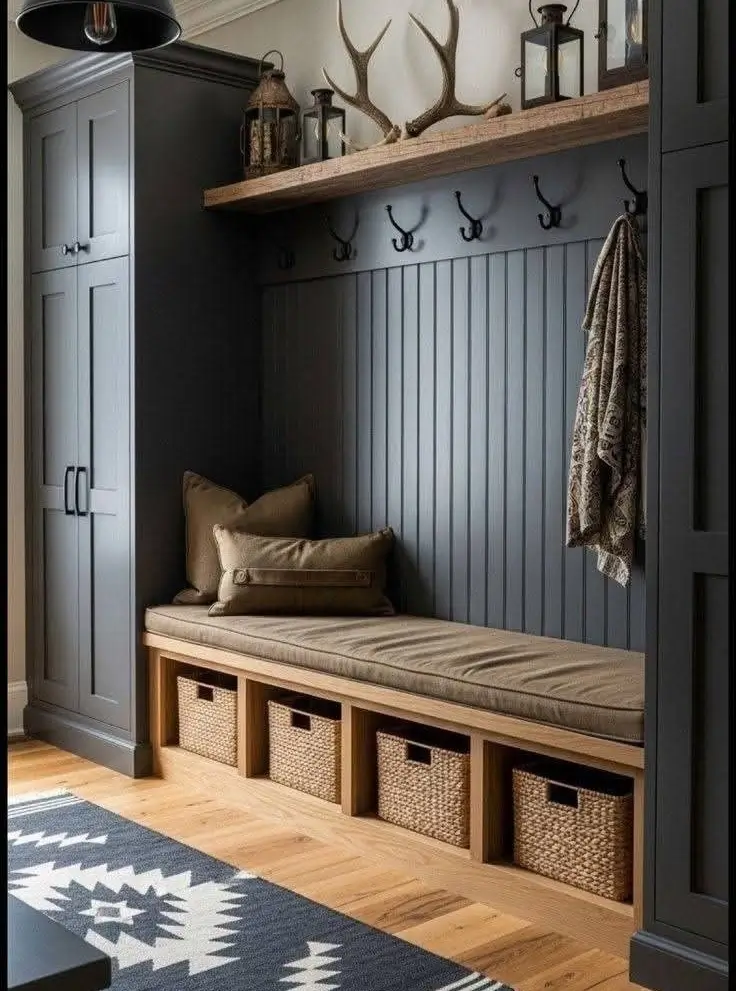
Woven baskets solve two problems at once. They hide clutter and add texture to a room.
The three natural materials to look for:
- Rattan: lightweight, tight weave, works anywhere
- Seagrass: slightly greener tone, smooth feel, durable
- Bamboo: structured, holds shape well, good for shelves
Where to use them in a living room:
- Under the coffee table for blankets and magazines
- Beside the sofa for remote controls and chargers
- On open shelving to contain small items
- As plant holders for medium-sized indoor plants
Size tip: a large basket under a coffee table should be roughly the same width as the table itself. Too small looks lost. Too large looks like storage, not decor.
In 2026, look for fair-trade certified baskets when possible. Many come from artisan makers in Africa, Bangladesh, and Latin America. The quality is generally better and the weave patterns are more interesting.
Quick Tip: A basket with a lid works better than an open one for anything you don’t want visible. No lid needed for throws and plants.
12. Add Leather or Hide to One Piece of Furniture or Decor

Leather belongs in a rustic living room. It gets better with age. Every scratch and worn patch adds to the character instead of ruining it.
You don’t need a full leather sofa. One leather armchair, a pouf, or even a leather-wrapped side table makes the point.
What to look for when buying leather in 2026:
- Full-grain leather ages best and lasts longest
- Top-grain leather is slightly more refined but still quality
- Bonded leather (often labeled just as “leather”) wears poorly. Avoid it.
Faux leather has improved a lot and some versions are genuinely hard to tell apart. If sustainability matters to you, there are good plant-based leather alternatives now available from brands like Piñatex.
Cowhide rugs and sheepskin throws also count. A sheepskin draped over the arm of a chair costs $30 to $80 and looks warm and tactile immediately.
Mixing leather with linen or wool works well. The contrast between rough and soft is what makes rustic design interesting.
Quick Tip: Never use cleaning products with alcohol or bleach on natural leather. Warm water and a soft cloth handle most spills.
13. Swap Heavy Curtains for Natural Woven Window Treatments

Your curtains connect your room to the light outside. Heavy synthetic blackout curtains block that connection. Natural woven window treatments let light through in a soft, filtered way that feels warm and organic.
The best options for a rustic living room:
- Bamboo roller shades: affordable, clean-looking, diffuse light beautifully
- Woven wood blinds: slightly more textured, great for larger windows
- Linen panel drapes: soft, light, move with the air
Sheer linen in particular is worth trying. When sunlight passes through it, the room glows. It’s simple and genuinely beautiful.
Hardware matters too. A wooden curtain rod replaces the look of cold metal instantly. Wrought iron rings and rods work for a darker, heavier rustic feel.
One thing to be honest about: natural fabric curtains wrinkle easily. If you prefer clean, crisp panels, go with a linen-cotton blend rather than 100% linen. It holds its shape better.
Quick Tip: IKEA’s LIVSRO and DYTAG linen curtain panels are under $40 for a pair and work very well as a starting point.
14. Find One Vintage or Antique Piece and Build Around It
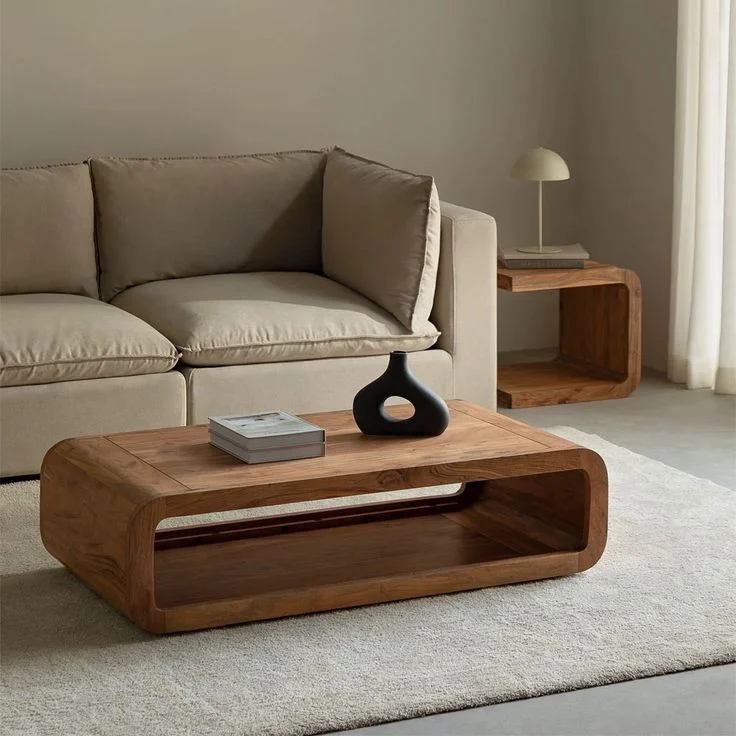
New furniture is fine. But a single vintage piece gives a room something new furniture can’t: a story.
You don’t need to furnish the whole room with antiques. One good piece is enough. A wooden trunk used as a coffee table. A vintage rocking chair with worn armrests. An old factory stool repurposed as a side table.
Where to find good vintage pieces in 2026:
- Facebook Marketplace (search your city, check weekly)
- Chairish (curated vintage, ships nationwide)
- Local estate sales (great prices, interesting pieces)
- Thrift stores (requires patience, but worth it)
What to look for: solid wood construction, original paint or patina, handmade joints (not stapled or glued), and honest wear that adds character rather than damage that makes it unusable.
Basic restoration is easy. Clean it with a wood soap first. If the finish looks tired, a coat of natural beeswax or furniture oil brings it back. Replace old hardware with matte black or brass pulls.
Quick Tip: Search “solid wood” specifically on Facebook Marketplace. It filters out particle board pieces quickly.
15. Add a Small Water Feature or Play Nature Sounds Daily

This one surprises people. Sound brings the outdoors inside just as much as visuals.
A small tabletop water fountain adds the sound of moving water to your living room. That sound alone changes the feel of a space. It masks background noise and creates a calm atmosphere.
Placement tips:
- Keep it near a window or natural light source
- Keep it away from electronics and anything that could be damaged by mist
- Place it on a small tray or stone surface to protect the shelf beneath it
The wellness angle here is real. A 2022 study published in Scientific Reports found that natural sounds, especially water, significantly reduce stress markers in the body. This isn’t trend talk. It’s backed research.
Don’t want a water feature? Try a nature sound playlist through your smart speaker instead. Birdsong, rain, running streams. It costs nothing and the effect is real.
Tabletop fountains range from $25 to $150 on Amazon and Etsy. Solar-powered options also exist for near a window placement.
Quick Tip: Change the water in a tabletop fountain every week to prevent algae. Add one drop of white vinegar to slow buildup.
16. Build One Dedicated Nature Corner in Your Living Room
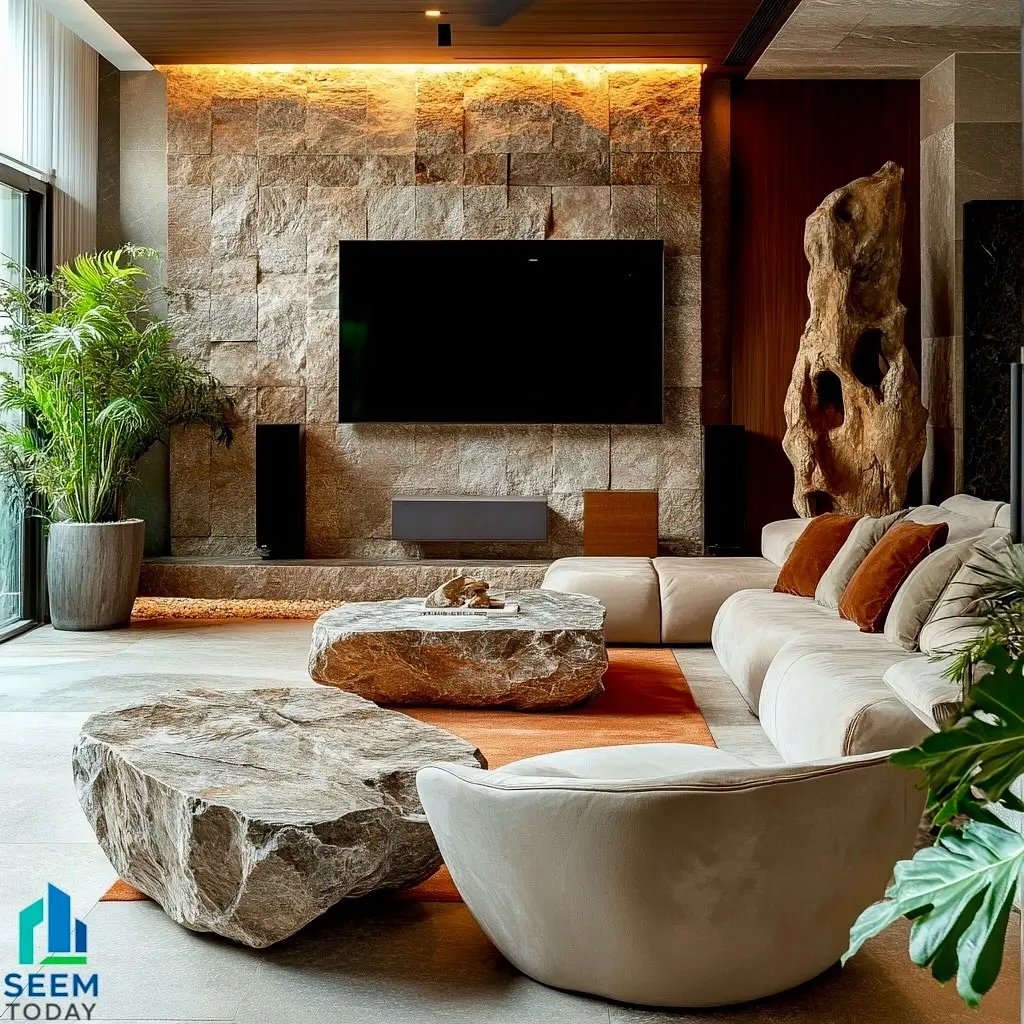
This is the idea that ties everything together. Instead of scattering natural elements around the room, you build one intentional corner that becomes the heart of the space.
This is called biophilic design in plain language: designing spaces that actively connect you to nature. It’s not just an aesthetic choice. Research and major design publications including Architectural Digest and Dezeen have covered it as one of the defining interior trends of the mid-2020s. The global biophilic design market was valued at around $1.1 billion in 2023 and continues to grow.
How to build your nature corner:
- Choose a corner with natural light if possible
- Add one large plant (a fiddle leaf fig, monstera, or tall snake plant)
- Place a natural texture chair or floor cushion beside it
- Add a warm light source nearby (a linen shade floor lamp or warm Edison bulb)
- Place one natural object on a small table or shelf (a piece of driftwood, a stone, a small water feature)
That’s five elements. One corner. And it becomes the most relaxing spot in your home.
The reason this works better than spreading things out is focus. One beautiful, intentional corner draws the eye and invites you to sit. Random pieces scattered around a room just create noise.
Quick Tip: Sit in that corner before you add anything. Notice where the light falls and where your eye naturally goes. Design from what you observe.
You Now Have 16 Ways to Start. Pick Two.
You don’t have to do all 16. In fact, please don’t try.
Pick two ideas that feel most doable this week. Maybe it’s swapping your rug and hanging one linen curtain. Maybe it’s building a nature shelf with objects you already own.
Start there. See how it feels. Then add one more.
Rustic natural living room decor isn’t about buying more stuff. It’s about choosing materials and objects that feel real. Wood over plastic. Natural fiber over synthetic. Found objects over mass-produced decor.
Whether you start with a jute rug or a reclaimed wood shelf, these rustic living room ideas give you a clear, doable path to bringing the outdoors in, one natural detail at a time.
Meta Description: Discover 16 rustic living room ideas to bring the outdoors in with natural wood, stone, plants, and earthy textures. Actionable tips for 2026.